Medlink Interactive Module - App Simulation
Overview
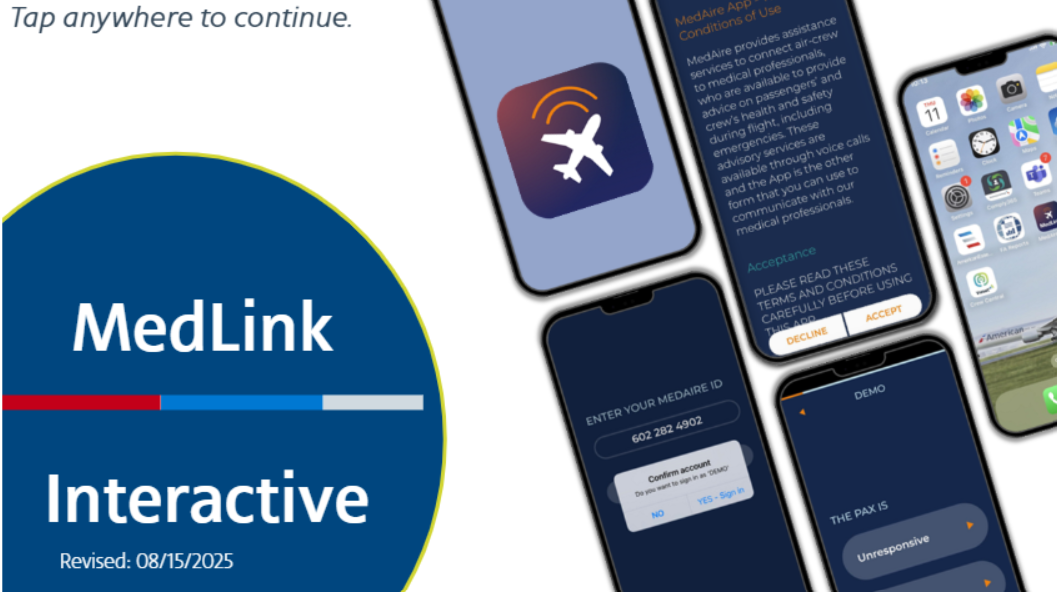
As part of American Airlines’ digital transformation initiative, a new medical app was introduced to replace paper-based procedures for inflight medical emergencies. The app enables flight attendants to input vital information and connect with a Physician On Call (POC) during
critical situations. To ensure operational readiness and confidence in using the app, I designed and developed a hands-on, scenario-based eLearning simulation. The goal was to provide flight attendants with a realistic, interactive experience that mirrors the actual app interface and workflow, before they encounter emergencies in real life.
My Process
Grounded in action mapping and scenario-based learning, my design process began with a deep dive into the app’s functionality and the operational context in which it would be used. I collaborated closely with the Policies & Procedures team and Program Development to ensure accuracy and alignment with real-world protocols.
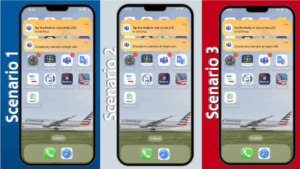
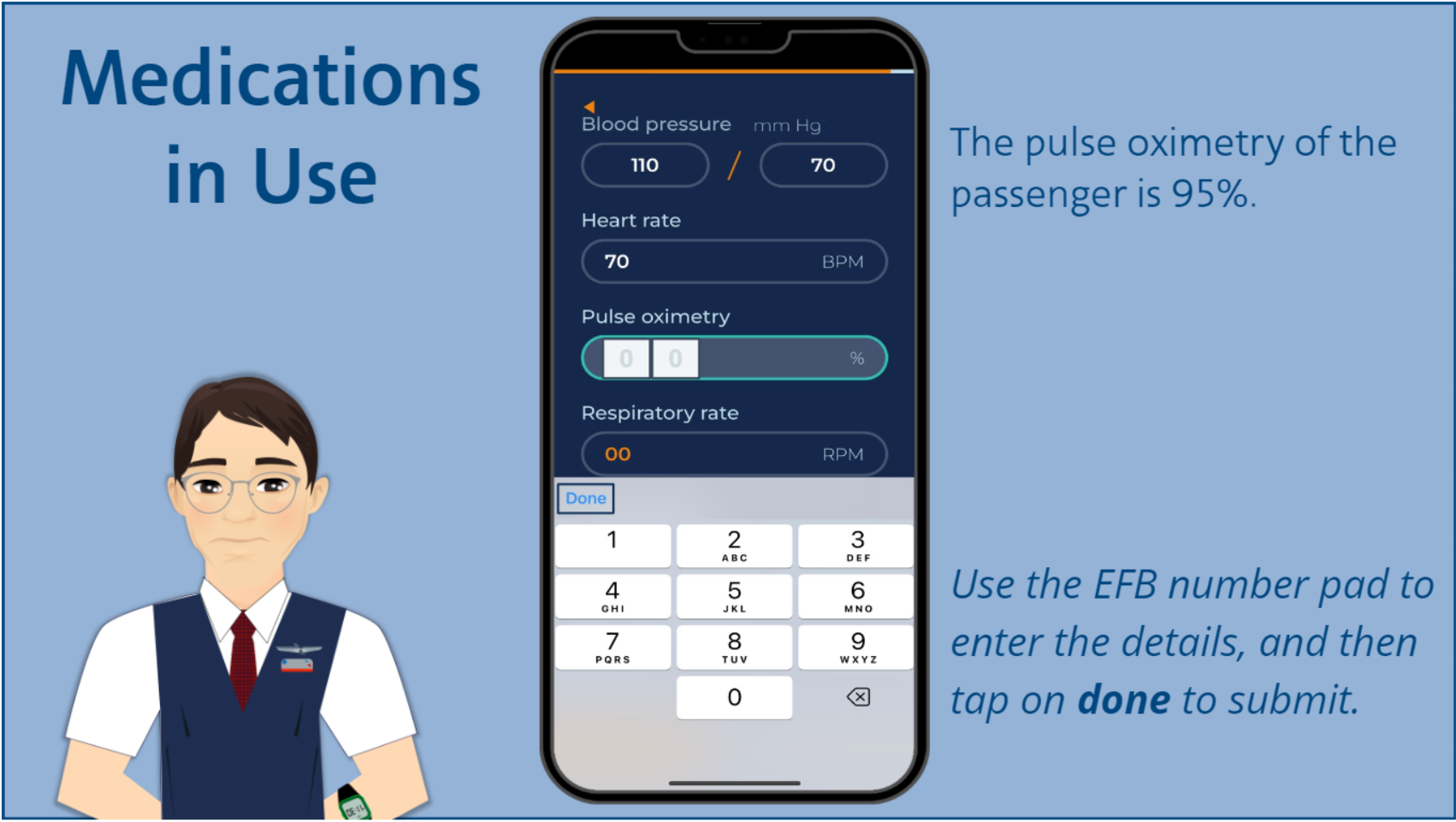
Using Articulate Storyline, I built a fully interactive simulation that replicates the app’s interface using actual screenshots. I designed three distinct scenarios based on common inflight medical events, including one high-stakes, less frequent emergency to stretch learners’ decision-making skills.
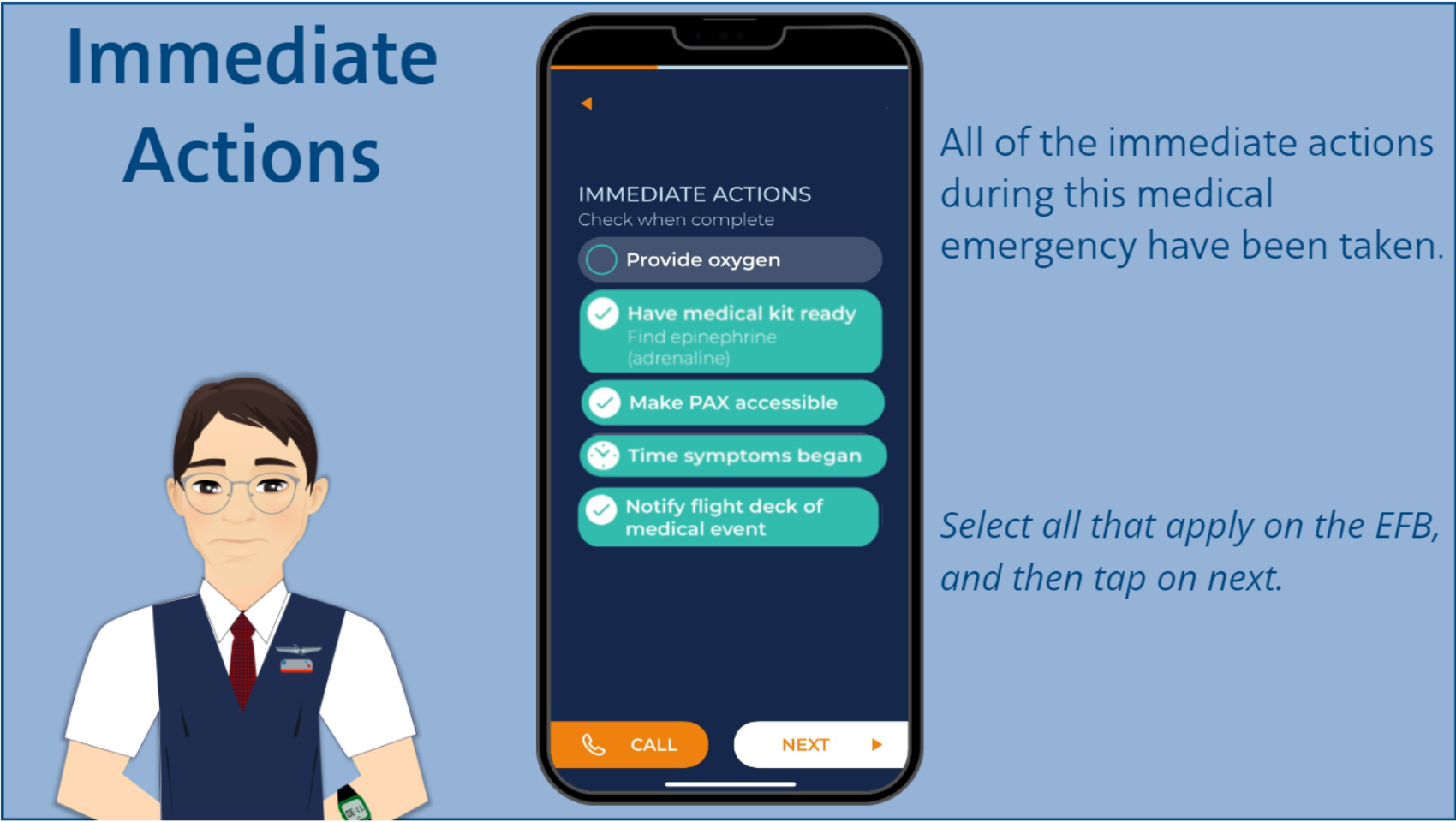
Each scenario was crafted to reflect authentic use cases, guiding learners through the app’s workflow—from entering flight details and vital signs to initiating a call with the POC.
Interactive Elements
The module leverages a variety of interaction types to simulate real app usage:
- Button clicks to navigate the app interface
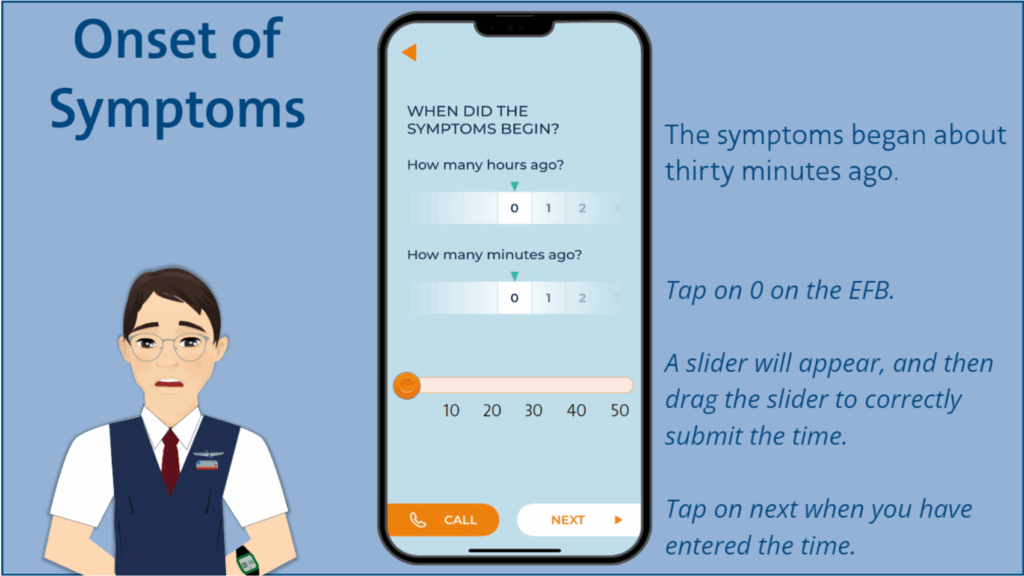
- Sliders for entering data such as pulse count
- Keypad entry for flight numbers and other numerical inputs
The simulation is a 100% visual replica of the actual app, ensuring high fidelity and transfer of learning. Learners engage with the module on an interactive board during in-person training, while peers observe and learn collaboratively.
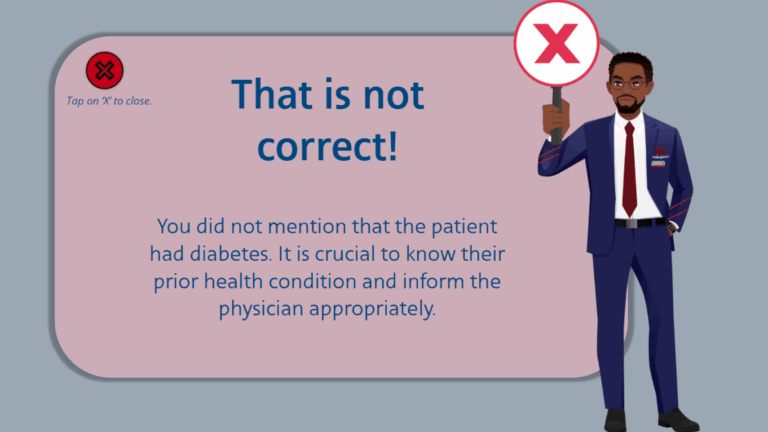
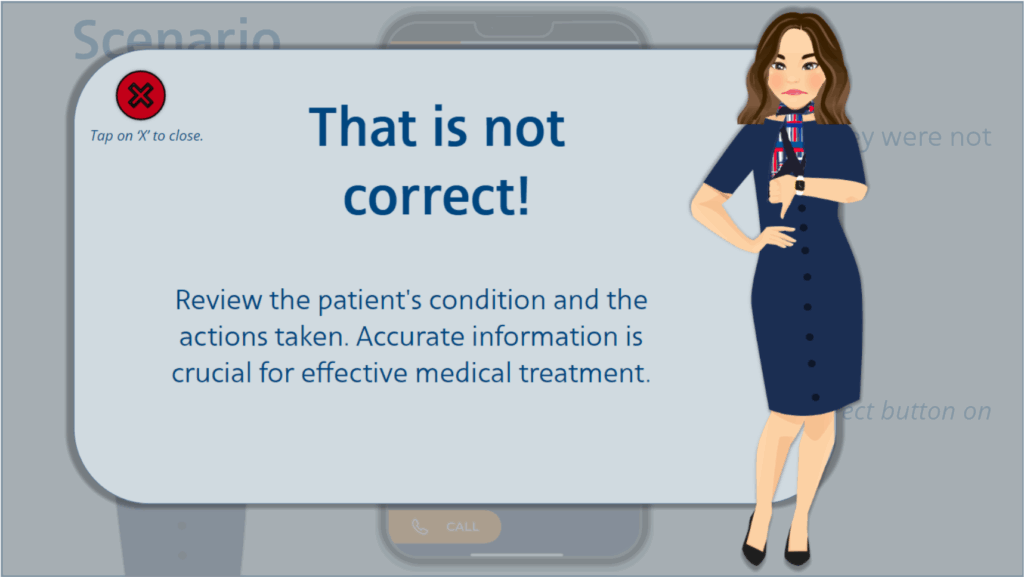
Branching logic guides learners through the correct path based on their choices, while incorrect selections trigger targeted feedback layers.
Feedback
Real-time visual feedback is embedded throughout the module to reinforce correct usage and redirect errors. When a learner deviates from the scenario or selects an incorrect option, a feedback layer appears explaining the misstep and prompting them to revisit the scenario.
This approach aligns with constructivist principles, allowing learners to reflect, self-correct, and build confidence without punitive consequences. The simulation concludes with a realistic audio experience of dialing into the POC, further enhancing immersion.
Effectiveness
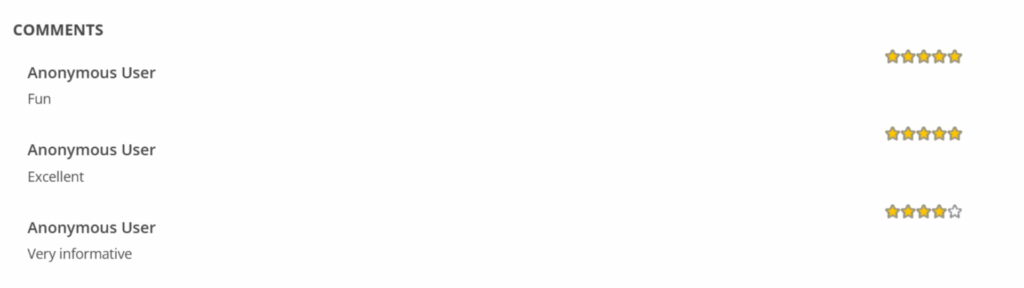
The training has been extremely well received by both learners and facilitators. While formal assessments were not conducted, anecdotal feedback and observational data indicate a 70% improvement in confidence and speed of app usage among flight attendants.
The module’s realism and interactivity have been praised for making the training memorable and practical—especially in high-pressure situations where clarity and speed are critical.
How the Training is Actually Being Used
This simulation is integrated into a broader in-person medical procedures training session, with approximately 20 learners engaging with it per session. It is also used in virtual onboarding for new hires, demonstrating its scalability and adaptability.
The experience is primarily self-guided, with trainers available to support as needed. Learners take turns selecting scenarios and interacting with the module on a large interactive board, while others observe and learn through peer modeling.
This format supports experiential learning and social learning theory, ensuring that every participant gains hands-on experience before facing real-world emergencies.
This project exemplifies my ability to design high-impact, learner-centered simulations that blend realism, interactivity, and instructional rigor. By replicating the actual app and embedding real-time feedback, I created a training experience that not only informs but empowers flight attendants to act confidently and correctly in critical moments.
Please review the video above to find out how it is being used in the classroom.
