Note: Certain sections of the navigation have been intentionally left accessible, facilitating a swift and comprehensive review of the entire project.
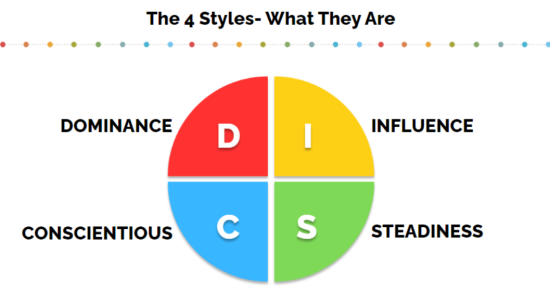
This eLearning module explores the DiSC Personality Styles. Designed to enhance interpersonal skills and foster effective communication in diverse workplace environments, the course offers an engaging exploration of the different personality styles we encounter at workplace.
My Process
Analysis
Who is this course for? This topic introduces various personality styles that we encounter at workplace, therefore it is suitable for all employees. A foundational level of digital competency is needed to navigate the eLearning and engage with activities. The learner will be looking to enhance their communication style by understanding the key needs of the DiSC personality styles.
The need and learning gap Understanding DiSC Personality Styles is essential for creating harmonious workplace dynamics. This knowledge empowers individuals to navigate diverse communication styles, fostering collaboration and reducing conflicts.
1. Currently, there might be a basic awareness of these personality styles, and the digital competency level among learners could vary.
2. Bridging this gap ensures a comprehensive grasp of DiSC principles, leading to more effective communication and collaboration within teams.
Preparation
In order to enhance retention and ensure engagement, I used the C.A.R format when writing content. This is a continuous cycle of context, activity, reflection.
I defined what the four basic DiSC styles are –> Asked an understanding based question –> presented a scenario to determine how they think the response will differ for different personality styles.
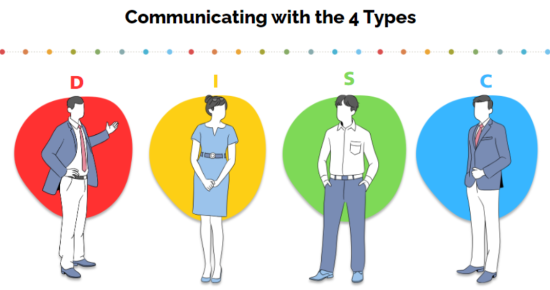
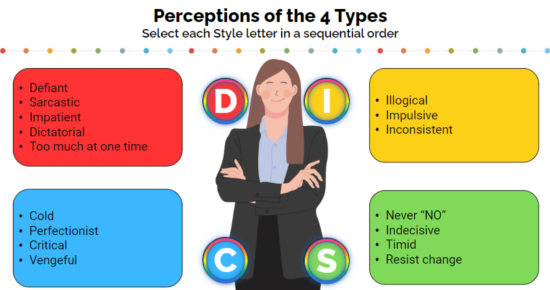
Throughout the course, there is a deliberate repetition of the abbreviations and the colors associated with each personality type.
Challenge
The entire project was so much fun to work on and the technical challenges I faced and overcame, made it even more interesting!
1: I wanted to ensure that the learners go through all the tabs and view a layer which guides them further about not being able to make progress in the course. This required me to build T/F variables which ensured that the information can’t be skipped.
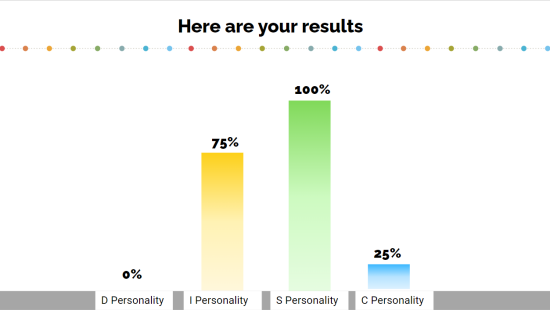
2: I created a results slide demonstrating the personality style of the learner, based on the options selected. I used bars to display visually appealing statistics. The challenge was to create a number variable based on which the graph could display the percentages without the use of Java Script.
Cognitive Load Theory
I chunked information into small consumable sections while applying Mayer’s 12 principles of multimedia learning to reduce learner’s cognitive load. Additionally, I incorporated a knowledge check after each section ensuring repetition for retention.
Assessment Style
The core delivery method for this course is multimedia eLearning. This is supported by real-life scenario activities, interactive exercises and quizzes. To determine the understanding of the personality styles, there are questions tapping the knowledge until its application in learner’s day to day life. These are present throughout the eLearning.
Specific Feedback
I integrated the following feedback features on assessment questions to enhance the learning experience.
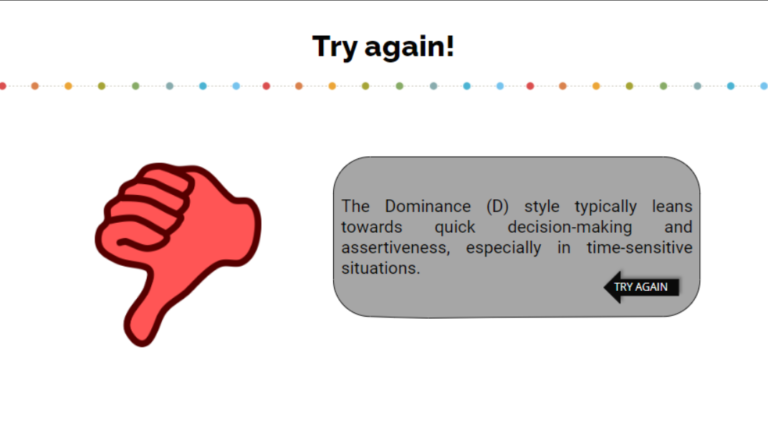
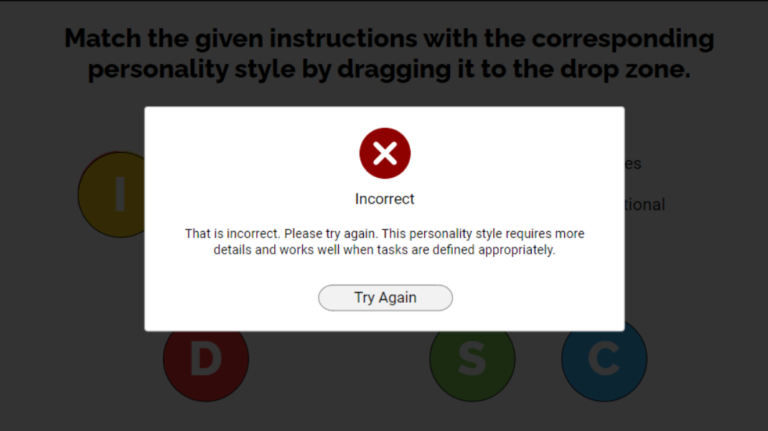
Incorrect choice If learners make an incorrect choice, they are directed to a “try again” slide. This slide advises them to review the note section, which contains essential information to help them answer the question correctly on their next attempt. Correct choice When learners make the correct choice, they receive positive reinforcement through the characters expressing positive emotions.
Behind the Scenes
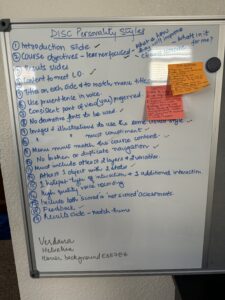
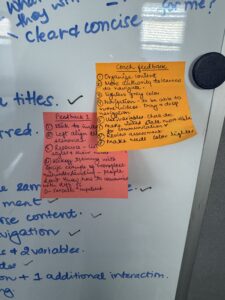
I wrote the key points that were needed for this course and created a rough outline that helped me stay in a given direction. This served as a checklist to ensure integration of all important elements. I implemented the multiple rounds of feedback provided by the SME and peers which led to the creation of the final project.